Undergraduate Programs
Majors & Minors

Civil, Environmental, and Sustainable Engineering students learn how to design, build, maintain, or improve civil engineering systems in accordance with environmental, economic, and societal requirements.
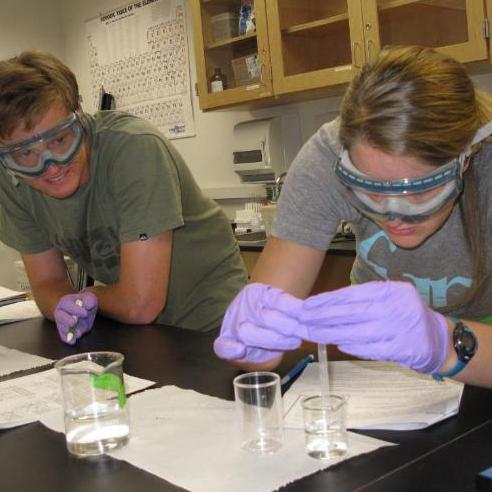
Environmental Science students apply scientific and interdisciplinary approaches to study environmental systems, analyze and evaluate data and information critically, consider social and ethical contexts, and communicate environmental issues effectively to diverse audiences.
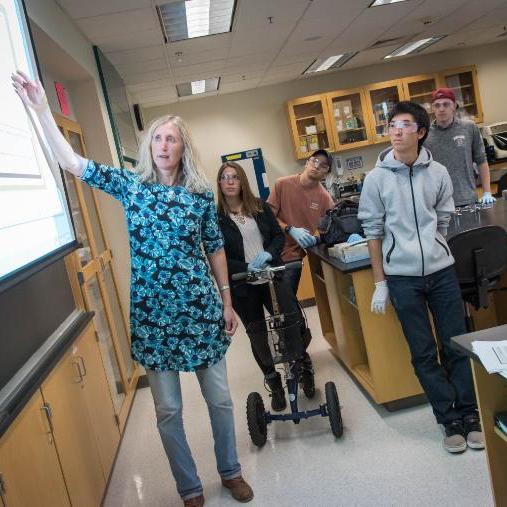
Environmental Studies students integrate biophysical and social science concepts to analyze environmental problems, evaluate issues and policies, interpret mixed-methods data, and collaborate across diverse perspectives to promote environmental justice.
The interdisciplinary minor in geospatial analysis promotes the use of geospatial data so students can build technical and analytical skills for solving problems where location is important.
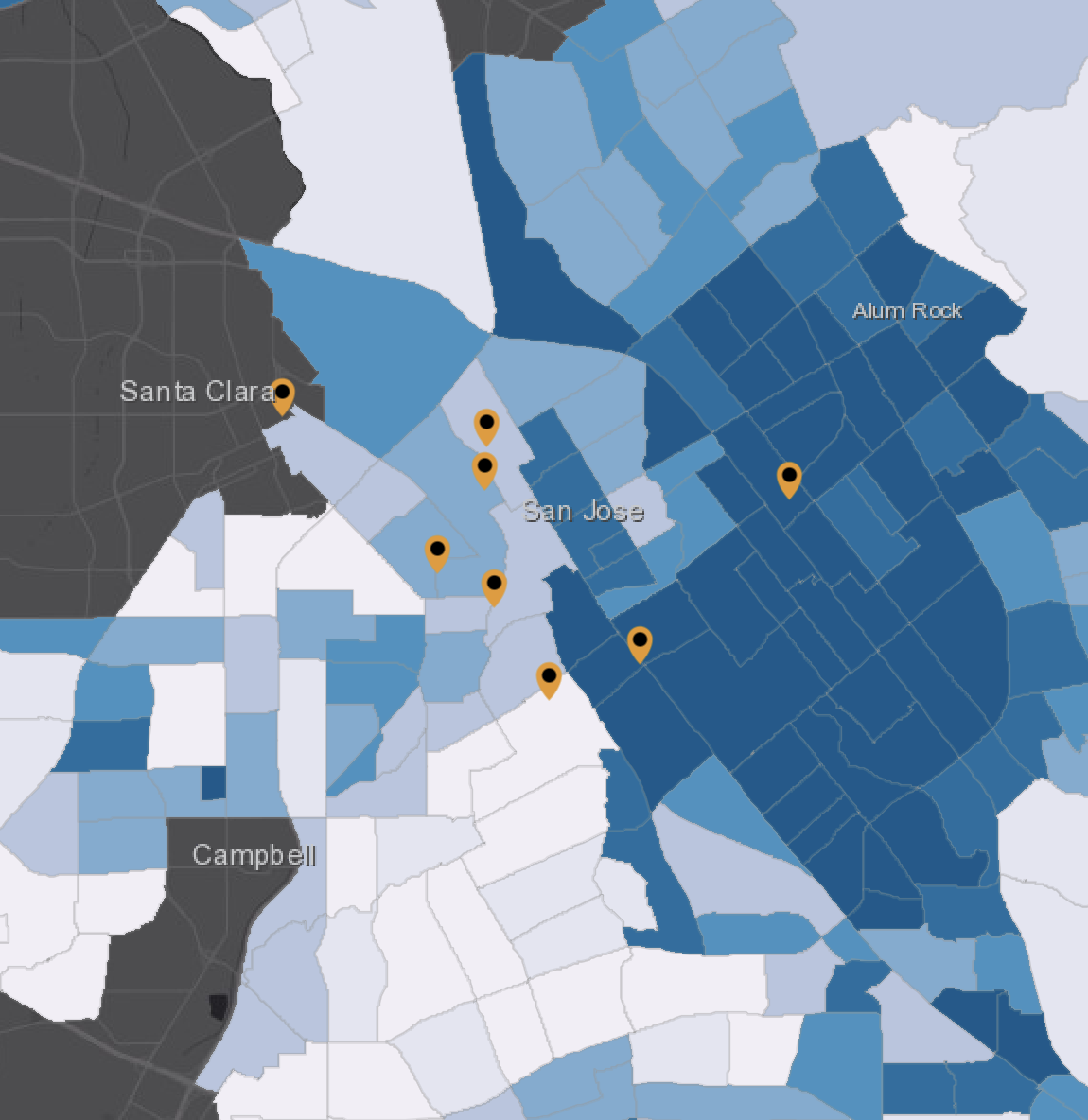

Students pursuing a sustainability minor will become better educated about the environment, social equity, and economic issues.
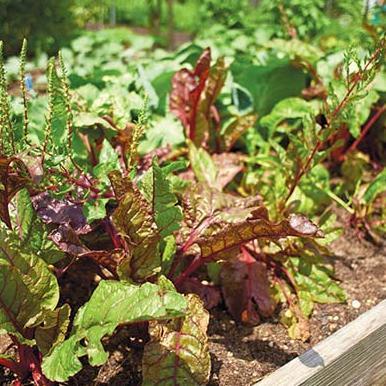
The Sustainable Food Systems minor provides students with the opportunity to explore the
intersection of global food systems and sustainability.
Pathways
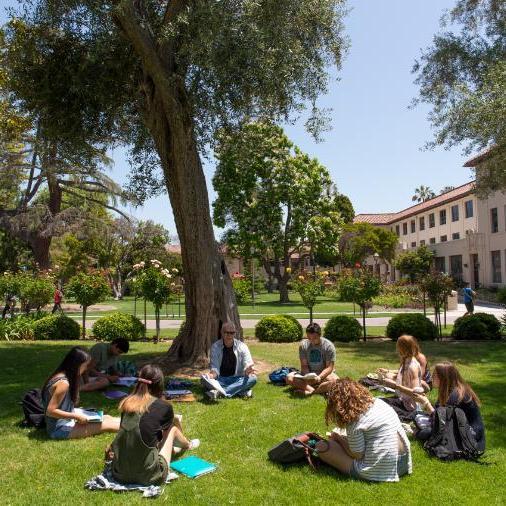
The Sustainability Pathway allows students to learn about sustainability from multiple disciplinary perspectives and in interdisciplinary ways, helping them integrate the interconnected ideals of viable ecological integrity, viable economies, and equity and justice.
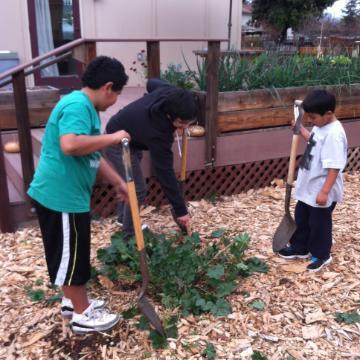
The Feeding the World Pathway focuses on the complex interrelationships among food production, food consumption, hunger, poverty, and the environment.

The Global Health Pathway explores human health and the biological, environmental, psychological, and social factors that impact it.
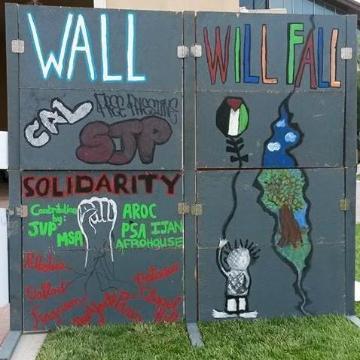
Human Rights in a Global World Pathway courses reflect the importance of theories of universal human rights and their applications to a multitude of issues involving oppressed and disadvantaged human groups around the globe.